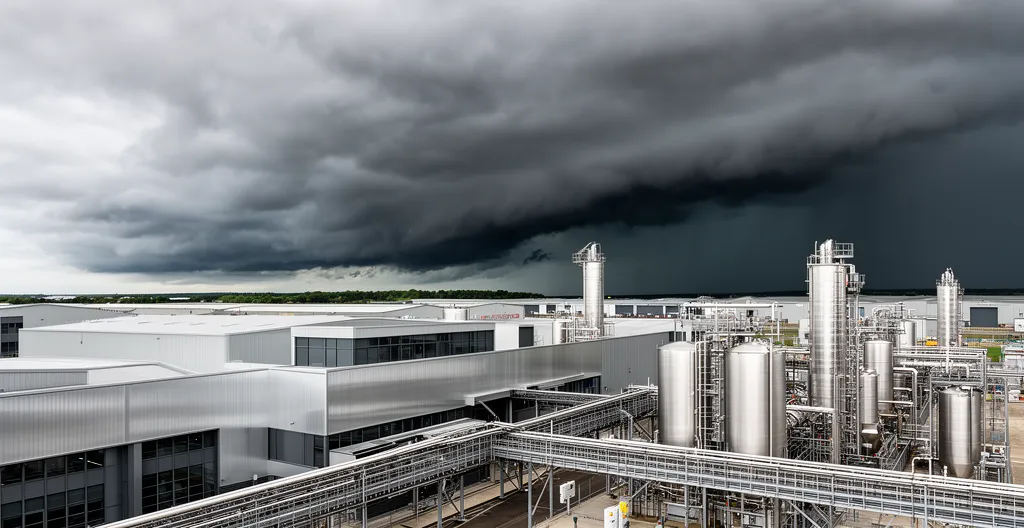
Last summer, a chemical processing facility in the East Midlands lost two control systems to consecutive lightning strikes. No advance warning. No time to shut down. The repair bill exceeded what a detection subscription would have cost for a decade. In my work with industrial clients, I see this pattern repeatedly: organisations treating lightning as an unpredictable act of nature rather than a manageable operational risk. The technology exists to give you a critical window before storms arrive. The question is whether your protocols are ready to use it.
Lightning protection in 4 operational essentials:
- Detection networks provide 20-30 minutes warning before first strikes
- UK facilities face roughly 300,000 lightning strikes annually across the territory
- Alert-triggered shutdown protocols protect equipment and personnel simultaneously
- Post-storm verification procedures determine safe restart timing
Why undetected lightning costs more than downtime
The UK and surrounding waters experience around 300,000 lightning strikes annually. A single severe thunderstorm day can see over 50,000 strikes concentrated in hours. For industrial operations, particularly those with outdoor workers, tall structures, or sensitive electronic equipment, each undetected storm represents a rolling exposure.
300,000 strikes/year
Lightning strikes across UK territory annually
The real cost is not downtime. In my consultations with facility managers across UK manufacturing sites, I regularly observe a critical gap: teams relying on general weather apps rather than dedicated lightning detection. This delay of 15-30 minutes in receiving actionable alerts can mean the difference between orderly protective shutdown and emergency response. Equipment damage is expensive. Insurance claims are disruptive. But injuries to outdoor workers represent the genuine operational failure.
The most common mistake I encounter? Assuming that watching the sky is sufficient. Storms develop rapidly. By the time you hear thunder, lightning is already within striking distance.
How detection networks give you advance warning
Modern lightning detection works through networks of ground-based sensors that triangulate electromagnetic signals from cloud-to-ground strikes. The technology has matured significantly. Where general weather radar shows storm cells, detection networks pinpoint strike locations in real time with accuracy above 95% in regions with adequate sensor density.
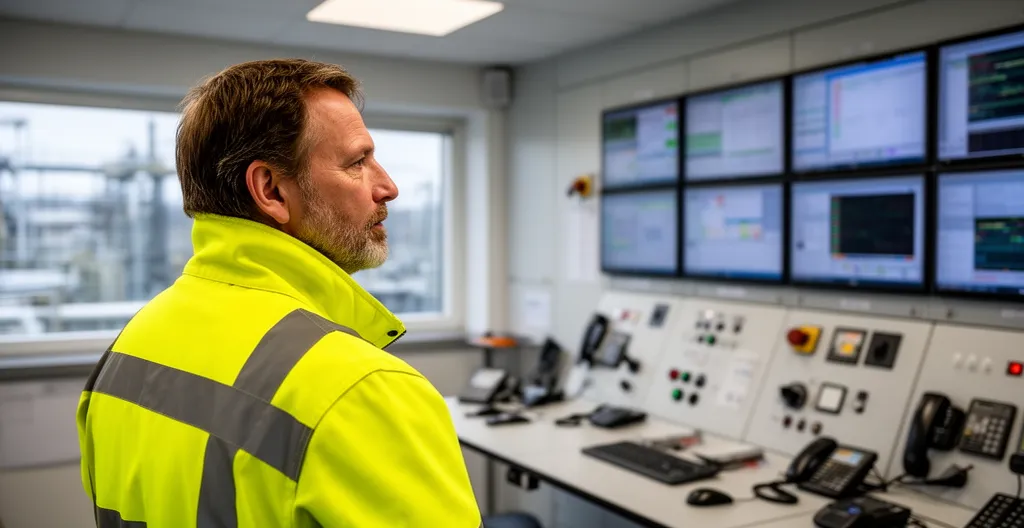
The operational value lies in lead time. According to Biral‘s industrial detection specifications, systems can provide warnings up to 20 minutes before the first strike by identifying precursory electrical conditions. This is the window. Twenty minutes to secure outdoor workers. Twenty minutes to power down sensitive processes. Twenty minutes transforms reactive scrambling into controlled protocol execution.
Detection timing in practice: Ground-based networks deliver lightning data to users in under 12 seconds. For ongoing storms, hit rates exceed 90% for the first 30 minutes of tracking along the storm path, decreasing as lead-time extends beyond convective time scales.
-
Detection network identifies developing storm cell -
Preliminary alert reaches operations centre -
Amber warning triggers preparation procedures -
Red alert initiates protective shutdown -
Storm arrival: personnel sheltered, sensitive equipment secured -
All-clear verification begins
I always recommend starting with alert integration into existing shutdown procedures. Detection data means nothing without a protocol that translates amber and red warnings into specific actions for specific roles.
Turning alerts into protective action
Advance warning without response protocols is just weather information. The projects I have supported show that the gap between detection and protection sits in operational readiness, not technology.
Turning detection into action: East Midlands case
I worked with Helen, 47, an operations manager at a chemical processing facility in the East Midlands. Her site had suffered two lightning strikes damaging control systems in consecutive summers. No early warning system despite high-value equipment. After implementing detection-triggered shutdown protocols, the site achieved clean storm passages through three subsequent severe weather events. The change was not the technology. The change was clear decision authority and rehearsed procedures.

The principle from NOAA‘s operational guidance applies directly: do not start anything you cannot quickly stop. When thunderstorms threaten, that means no crane operations at height, no outdoor maintenance on electrical systems, no activities requiring extended exposure. When advising operations teams, I find the resistance is rarely about safety. It is about productivity pressure. Build your protocols with clear authority to halt work without requiring escalation.
Critical consideration: False alarm management is essential. Systems designed to minimise missed detections will occasionally alert for storms that track away. The projects I have supported show that rehearsed stand-down procedures maintain team confidence in the system rather than generating alert fatigue.
For multi-site operations requiring expertise in industrial risk management, centralised monitoring with site-specific protocols offers the most practical coordination approach.
Post-storm verification before restart
-
Confirm all-clear verification from detection system (typically 15-30 minute countdown from last detected strike)
-
Visually inspect outdoor equipment and structures for damage
-
Test critical control systems before resuming sensitive processes
-
Document storm event and response for compliance records
-
Communicate formal all-clear to all personnel before outdoor work resumes
Your questions about industrial lightning protection
The questions I receive most frequently from HSE managers reflect practical concerns rather than technical curiosity. Here are direct answers to what actually matters for implementation.
How much warning time can we realistically expect?
According to UBIMET’s aviation sector protocols, systems achieve hit rates over 90% for the first 30 minutes along the storm track. Electric field monitoring can provide localised warnings 5-30 minutes before the first strike. Operationally, count on 15-25 minutes usable lead time for most situations.
What about false alarms disrupting production?
Modern detection networks distinguish between cloud-to-ground and cloud-to-cloud strikes for more precise threat assessment. False alarm rates have decreased significantly with improved sensor coverage. The cost of one equipment strike typically exceeds years of occasional precautionary pauses.
Does this integrate with existing building management systems?
Many detection providers offer integration capabilities with SCADA and BMS platforms. The lightning protection standard BS EN IEC 62305 was updated in 2025 with simplified risk assessment processes, supporting systematic integration with operational safety systems.
Who decides to shut down operations?
This is the critical question most organisations fail to answer before an event. Clear decision authority should be documented and rehearsed. On the ground, the reality is that ambiguous authority creates dangerous hesitation. Define roles in advance.
For other industrial process optimisation needs, explore customised solutions for industrial heating.
The next step for your operations: Lightning detection capability is established technology. The differentiator is protocol readiness. Before evaluating systems, answer one question: who at your site has authority to halt outdoor operations based on a storm alert, without requiring senior approval?
If that answer is unclear, start there.
Implementation considerations
- This guide provides general principles; specific implementation requires site assessment by qualified professionals
- Detection system specifications and alert thresholds should be tailored to your operational requirements
- Regulatory requirements vary by industry and jurisdiction; verify applicable standards
For site-specific assessment, consult a certified safety consultant or lightning protection specialist.